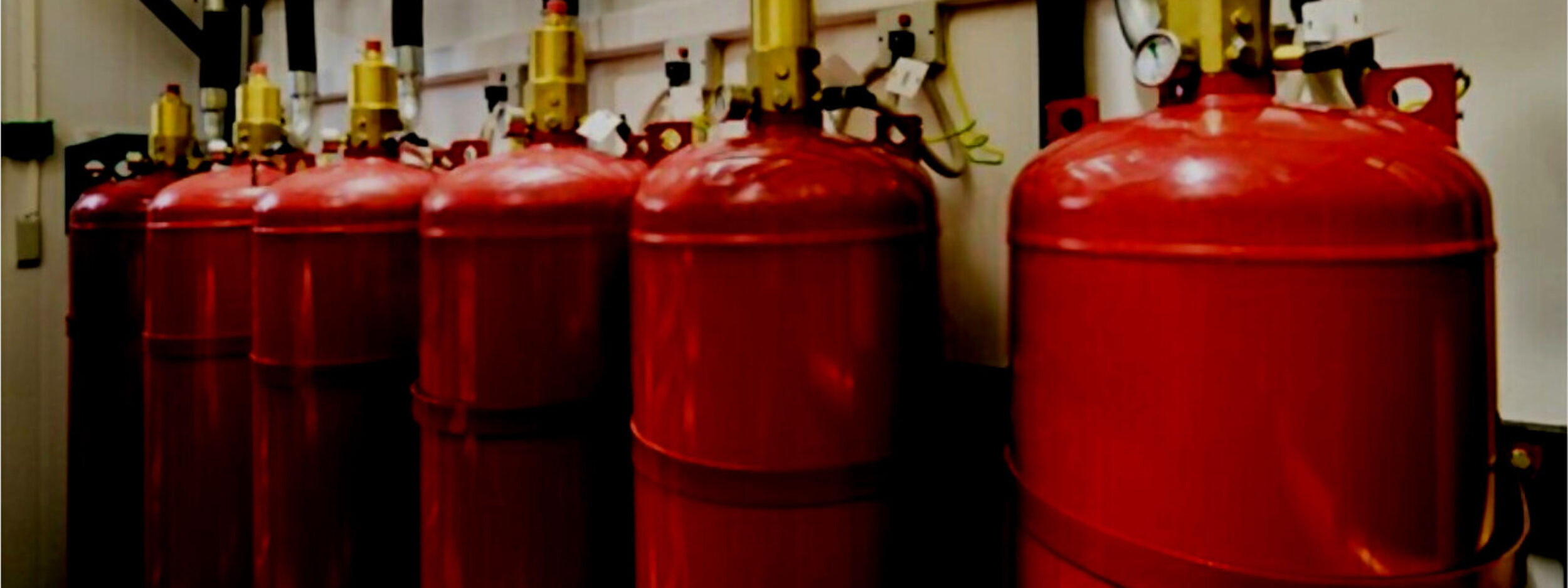

A fire suppression system is only as effective as its installation quality and ongoing maintenance. Even the most advanced systems can fail if not installed correctly or serviced regularly. For businesses, factories, data centers, and commercial spaces, following best practices ensures compliance, safety, and long-term reliability.
In this article, we’ll cover the essential steps for proper installation and maintenance of fire suppression systems, along with expert tips to maximize performance.
Why Proper Installation & Maintenance Matter
- Life Safety: Ensures rapid fire detection and suppression to protect occupants.
- Asset Protection: Minimizes downtime and property damage.
- Compliance: Meets NBC, NFPA, and ISO fire safety standards.
- Reliability: Reduces false alarms and system failures.
👉 Neglecting installation guidelines or maintenance schedules can void insurance claims and Fire NOC compliance.
Best Practices for Fire Suppression System Installation
1. Conduct a Fire Risk Assessment
Before installation, certified engineers should assess:
- Facility layout (rooms, electrical systems, flammable areas).
- Fire risks by class (A, B, C, D, K).
- Occupancy levels and evacuation paths.
This ensures the system is designed for your unique environment.
2. Choose the Right Suppression Agent
- Clean Agent Systems (FM200, Novec 1230): Ideal for data centers, server rooms.
- CO₂ Systems: Effective for machinery and unoccupied areas.
- Water Mist Systems: Safe for hospitals, hotels, and public spaces.
- Foam Systems: Suitable for oil & gas, chemical industries.
- Wet Chemical Systems: Designed for commercial kitchens.
3. Follow OEM & NFPA Standards
Every system should comply with:
- NFPA 2001 (Clean Agent Systems).
- NFPA 750 (Water Mist Systems).
- NBC India 2016 requirements.
- OEM installation manuals for piping, nozzles, and control panels.
4. Professional Installation by Certified Engineers
- Use only licensed and trained technicians.
- Ensure pipe sizing, nozzle placement, and agent quantity meet design specs.
- Integrate with fire alarms, detectors, and control panels.
- Test system after installation for leak detection and functionality.
5. Provide Staff Training
After installation, train facility staff on:
- System operation basics.
- Emergency evacuation protocols.
- Reporting faults or alarms.
Best Practices for Fire Suppression System Maintenance
1. Scheduled Inspections
- Monthly visual checks (pressure gauges, cylinders, control panels).
- Quarterly inspections (detectors, alarms, connections).
- Annual maintenance by certified engineers.
2. Refilling & Recharging Agents
- Replace or refill extinguishing agents (CO₂, clean agent, foam) after every discharge.
- Check expiry dates and pressure levels regularly.
3. Functional Testing
- Simulate alarms and suppression release to ensure reliability.
- Test detectors, nozzles, and control valves.
- Calibrate gas detectors for accuracy.
4. Documentation & Compliance Records
- Maintain logbooks of inspection dates, refills, and repairs.
- Keep AMC contracts updated.
- Ensure compliance documents are available for Fire NOC audits.
5. AMC (Annual Maintenance Contracts)
AMC with a professional company like Radiant Safety Systems ensures:
- 24/7 emergency support.
- Preventive maintenance instead of reactive repairs.
- Replacement of worn-out parts with OEM-approved components.
Common Mistakes to Avoid
❌ Ignoring small leaks in piping or cylinders.
❌ Not refilling discharged systems immediately.
❌ Skipping quarterly/annual inspections.
❌ Hiring untrained personnel for maintenance.
❌ Lack of documentation for audits and insurance.
Why Choose Radiant Safety Systems for Installation & AMC?
- 30+ Years of Experience in fire protection.
- ISO 9001:2015 certified, Govt. Registered, MSME Verified.
- End-to-End Services: Design, Installation, AMC, Fire NOC Compliance.
- PAN India Coverage with 24/7 support.
- Expertise across industries — IT, healthcare, manufacturing, hospitality.
👉 Our certified engineers ensure your system is installed right the first time and maintained for long-term reliability.
Conclusion
Proper installation and maintenance of fire suppression systems are not optional — they are critical to protecting lives, assets, and business continuity. By following best practices and partnering with a trusted provider like Radiant Safety Systems, you can ensure compliance, reliability, and peace of mind.
FAQs
Q1. How often should fire suppression systems be maintained?
A: Systems must be inspected monthly and undergo professional maintenance at least once a year.
Q2. Who is authorized to install fire suppression systems?
A: Only licensed and certified engineers should handle installation, as per NFPA and NBC codes.
Q3. Do I need AMC for my fire suppression system?
A: Yes, AMC ensures regular service, compliance, and emergency support.
Q4. What documents are required for Fire NOC compliance?
A: Maintenance logs, system design certificates, and inspection records are mandatory.
Q5. Can Radiant Safety Systems provide nationwide AMC support?
A: Yes, we provide PAN India AMC services with 24/7 emergency support.