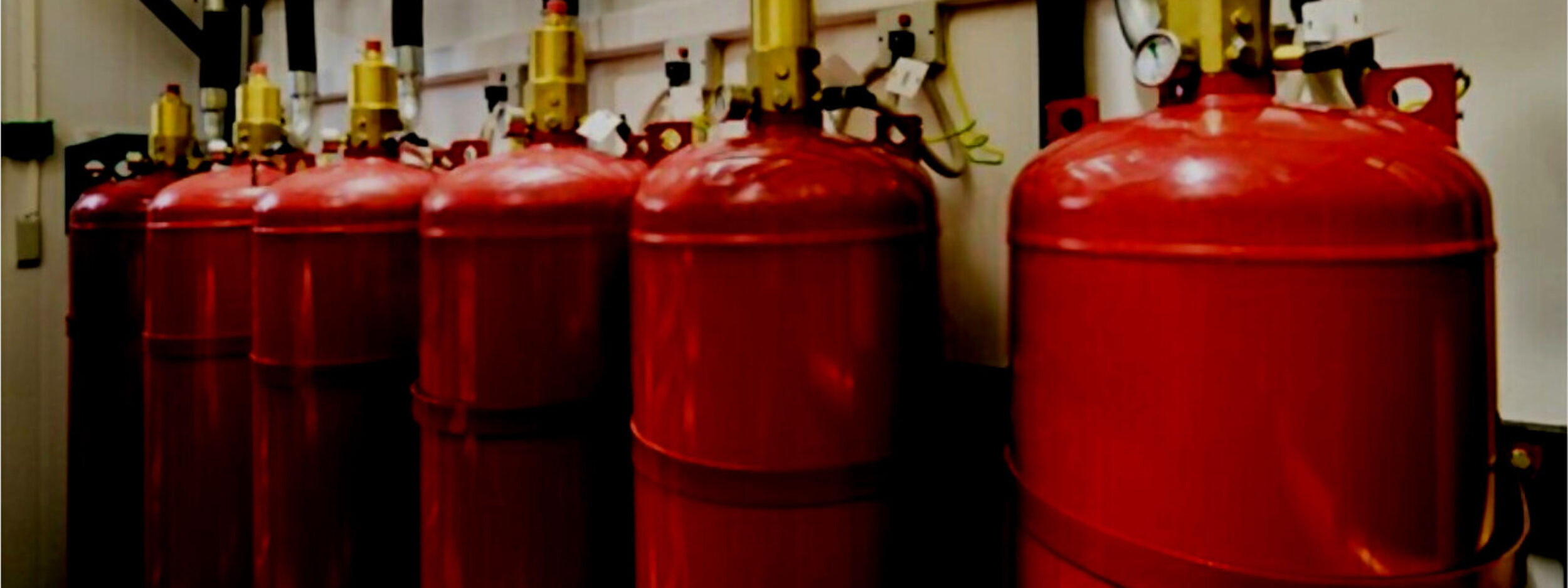

When it comes to protecting lives, assets, and business continuity, choosing the right fire suppression system is one of the most critical decisions for any facility. A fire can spread in seconds, and traditional firefighting measures are often too late or ineffective. That’s where modern fire suppression systems come into play.
But how do you decide which system is right for your building, industry, or equipment? This guide will help you evaluate the factors you must consider before selecting the most effective fire suppression system for your facility.
Why Fire Suppression Systems Matter
Unlike basic extinguishers, a fire suppression system is designed to detect, control, and extinguish fires automatically—minimizing damage and downtime. For industries like IT, manufacturing, oil & gas, healthcare, and commercial spaces, the right system ensures:
- Compliance with fire safety codes and insurance requirements
- Reduced risk of property loss and business interruption
- Enhanced safety for occupants and critical equipment
Key Factors to Consider Before Choosing a Fire Suppression System
1. Nature of Your Facility & Assets
Different environments require different suppression methods:
- Data Centers / Server Rooms → Clean Agent or Inert Gas (safe for electronics)
- Industrial Machinery / Manufacturing Plants → Foam-based or Water Mist systems
- Commercial Kitchens → Wet Chemical suppression systems
- Vehicles / Transport Hubs → Dry Powder or Foam systems
👉 Tip: Map out critical areas in your facility before shortlisting the system.
2. Type of Fire Risks
Not all fires are the same. Fires are classified into different classes (A, B, C, D, K) depending on fuel sources. For example:
- Class A: Wood, paper, textiles → Water or Foam
- Class B: Flammable liquids → Foam or Dry Chemical
- Class C: Electrical fires → Clean Agent or CO₂
- Class K: Cooking oils → Wet Chemical
Choosing a suppression system aligned with your specific fire risks ensures maximum effectiveness.
3. Safety of Occupants
Some suppression agents are not safe for occupied spaces.
- CO₂ Systems: Highly effective but dangerous for people inside the room.
- Clean Agents (FM200, Novec 1230): Safe for people and electronics.
- Water Mist: Non-toxic and eco-friendly.
👉 Always consider human safety while selecting suppression agents.
4. Compliance & Certification
Ensure the system complies with local and international standards, such as:
- NBC (National Building Code of India)
- NFPA (National Fire Protection Association)
- ISO Standards
- OEM certifications for equipment
Facilities also need Fire NOC compliance in India. Choosing certified systems avoids legal liabilities and ensures smooth audits.
5. Maintenance & AMC (Annual Maintenance Contract)
Fire suppression systems require regular inspections, testing, and refilling to function properly. Before choosing a system, check:
- Availability of AMC (Annual Maintenance Contracts)
- On-site service support
- Spare part availability and refilling ease
👉 At Radiant Safety Systems, we provide PAN India AMC services to ensure your system always stays compliant and operational.
6. Budget & Long-Term Value
While initial cost matters, think about lifecycle costs:
- Recharging/refilling frequency
- Energy efficiency
- Durability & warranty
- Insurance savings due to advanced systems
Investing in the right suppression system often results in lower long-term expenses compared to fire damages or penalties.
Popular Types of Fire Suppression Systems
| System | Best For | Key Benefits |
|---|---|---|
| Clean Agent System (FM200, Novec) | Data centers, server rooms, electronics | Safe for electronics, zero residue |
| CO₂ System | Industrial machinery, electrical panels | Effective, low residue, cost-efficient |
| Water Mist System | Hospitals, hotels, public spaces | Eco-friendly, safe for humans |
| Foam-Based System | Oil & gas, manufacturing, fuel storage | Rapid flame knockdown |
| Wet Chemical System | Commercial kitchens | Designed for cooking oil fires |
Step-by-Step Process to Choose the Right System
- Conduct a Fire Risk Assessment (by certified engineers)
- Identify critical areas and assets in your facility
- Evaluate applicable fire codes & standards
- Match suppression agent to fire risk & occupancy
- Plan for installation, testing, and training
- Sign up for AMC & compliance support
Why Choose Radiant Safety Systems?
At Radiant Safety Systems, we bring:
- 30+ years of experience in fire protection
- Govt. Registered, ISO 9001:2015 & MSME verified services
- Customized solutions for industries like IT, oil & gas, healthcare, and hospitality
- End-to-end support (Design, Installation, AMC, and Fire NOC compliance)
- PAN India service network
👉 Protect your facility with expert-designed suppression systems that ensure compliance, safety, and peace of mind.
Conclusion
Choosing the right fire suppression system is not just a regulatory requirement—it’s an investment in safety, business continuity, and peace of mind. By evaluating your facility type, fire risks, compliance needs, and long-term value, you can make an informed choice.
For expert guidance and certified installations, Radiant Safety Systems is your trusted partner across India.
FAQs
Q1. What is the best fire suppression system for data centers?
A: Clean Agent systems like FM200 or Novec 1230 are recommended as they are safe for electronics and people, and leave no residue.
Q2. Can I use the same suppression system for all facility types?
A: No. Every facility has unique risks. A kitchen requires a wet chemical system, while a factory may need foam or dry chemical suppression.
Q3. How often should fire suppression systems be serviced?
A: Annual maintenance and regular inspections are mandatory under Indian fire safety codes. Radiant Safety Systems offers AMC contracts for hassle-free compliance.
Q4. Are suppression systems safe for humans?
A: Clean Agents and Water Mist systems are safe for occupied spaces. CO₂, however, should only be used in unoccupied areas.
Q5. Does Radiant Safety Systems provide Fire NOC compliance support?
A: Yes, our certified engineers help with Fire NOC documentation, inspections, and compliance across Delhi and PAN India.